
Living Summer Garden
Zen Letters 2026 7 28: notes on this age of monsters

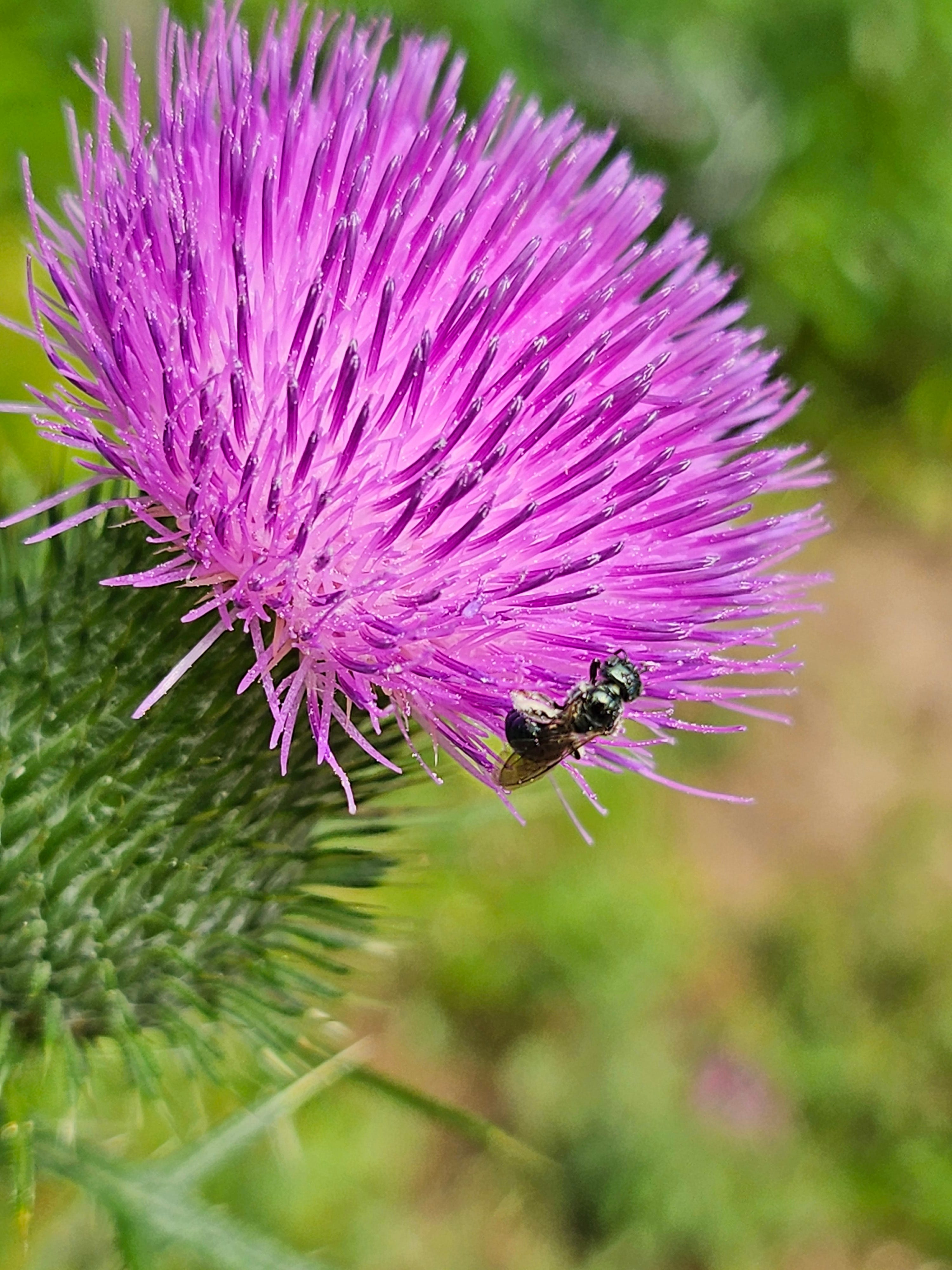
We went away for a week to a beach in Delaware a little while ago. That was the week that, in the northeast, saw a few very pleasant summer days, then extraordinary heat, then smoke from the massive fires in the far north, then torrential rains.
Being along the shore was a blessing, and being family, the company was good. It was the somewhat privileged vacation in a lovely house in a quiet place. So privileged that neither this era of monsters nor the accelerating climate catastrophe drew our sustained attention.
But upon our return to house and garden, when the floods blew in, well... it was fine. Again, more privilege: good housing, good teamwork, time to plan and repair, a historically stable region with much social, infrastructural, and monetary wealth to draw from.
Part of good practice is to remember, to recollect and recall, what we take for granted.
(-)
I am reminded of an understated poem from Lu Yu, the (ironically) self styled "wild old man" of the late Sung Dynasty, an era where, in one telling, astounding wealth was squandered and alliances not taken seriously. War came to the north of China in waves and Lu was among those who suffered as the empire fell back to the south. He wrote thousands of poems.
(The pipa is a moon shaped lute plucked with a sharp, biting, and percussive attack, that conveys a range of feeling from sudden mobilization to moonlit meditations.)
Yu Yang boys and girls
poised as flower buds

Spring breeze in tower
I learn to play the pipa

And now I must die
I feel no rancor

am no stranger, this land
made me from scratch

               - tr. David Gordon
(-)
Great empires are often destroyed by thier own elites, who fear change and have come to believe that they created what they merely inherited. We have all inherited a great deal, and unless we know this, we will have little sense of how to maintain it, work with it, be intimate with it. Or rather, be intimate. Intimacy has no with, no other. Complete intimacy may only seem to be for a moment, but this we can carry this forward and enlighten our way, even in darkness.
(-)
The rains came after our return. The soil around the house is very poor. It was probably tapped out generations ago by agriculture, the farms migrating to softer plains just north of us. We have clay, almost loess, the very fine nearly yellow stuff that gets compacted by heavy rains and then bakes hard. Exposed soil just washes away, leaving hard, starving dirt. The changing climate is particularly bad for this.
(-)
For several years we have slowly been amending the soil, tilling in manure, allowing particularly deep rooted “weeds” like poke, goose foot, tansy, clover, and our current favorite, fleabane, to establish, so they might hold the soil in place and protect it from the baking sun. In time, cover plantings like the bigger clovers, buckwheat, flax, millet, and so on create deeper shelter for the soil’s modest citizens, and enjoin pollinators so they might flutter around a bit longer as Summer wears on. Traditional garden flowers and vegetables have their place, and small meadows arise and hint at where denser meadows might be established.
All this is a way to say that, for all the heat and smoke and flood, the gardens held up well in our absence. They had some care from a loyal houseguest, but in those extremes no garden can help but wither without a powerful balance of ancient influences bucking it up, supporting those citizens of the soil who it turn circulate the garden spirit throughout.
(-)
Our era of monsters is an era of strange abstracted men who think they birthed themselves; they have cut themselves off from our ancestors. Untethered, without feet to ground themselves, with distended bellies and choked throats, they are setting the world on fire and dreaming of living on other planets. They will be in shock as they die, casting about panicked eyes in a drugged stupor, as they forget the terrifying dream they subjected us to for a while. While you and I sink peacefully into an ocean of bliss, forgetting the self, they cling to stabbing splinters in a raging sea.
(-)
There is strange and simple wisdom in that poem of Lu Yu…
And now I must die
I feel no rancor

am no stranger, this land
made me from scratch
Maybe it was coming war or famine, or being old, or disease. At one with the land and the times that brought him forth, he regrets nothing and desires nothing more.
A stoic, if gentle, rebuke to monsters.